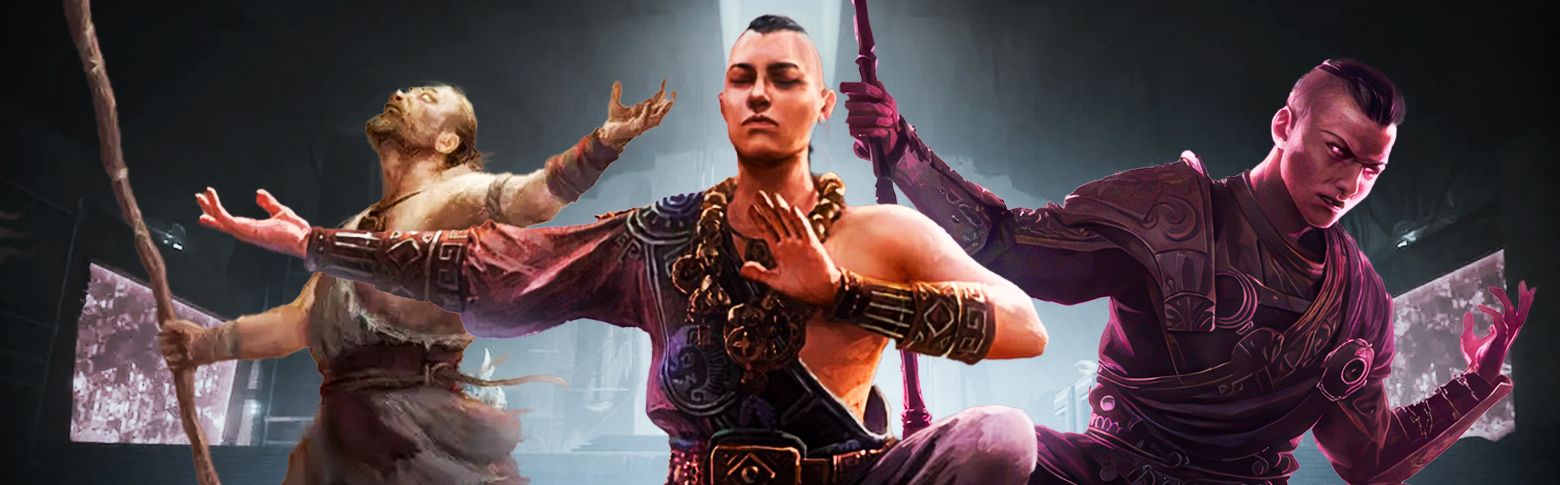
The Monk in Path of Exile 2 is one of the fastest and smoothest classes to play, especially while leveling. It focuses on quick attacks, constant movement, and strong elemental or combo-based damage, letting you delete packs quickly and stay on top of bosses with tight, aggressive rotations. Monk builds can feel amazing when they come together, but they can also be punishing if you stand still or build too glassy, so positioning and timing matter a lot.
Because Monk has many viable playstyles-ranged-style clearing into melee finishers, full melee pressure, or setups that scale heavily from specific, stats-choosing the right build is important. A build that matches how you like to play will level faster, feel safer, and scale better into maps.
 In this guide, we’ll cover the best Monk builds in PoE 2, including the strongest leveling builds for the campaign and the best endgame builds for mapping and bossing. You’ll learn what skills to focus on, which stats and gear matter most, and how to pick a setup that fits your playstyle so you can clear content faster and with fewer deaths.
Best Monk Builds for Leveling
 A strong Monk leveling build in Path of Exile 2 usually does three things well:
- Clears packs fast with wide AoE so you don’t get stuck fighting every group.
- Kills bosses reliably with a simple single-target plan (combo skill + a damage amplifier).
- Stays alive while moving, because many Monk leveling setups have low defenses if you only stack damage.
The best leveling builds also come online early with common gear stats, and they don’t need perfect items to feel smooth.
 What to Focus on While Leveling a Monk (Tips)
1) Have a Clear Packs and Bosses Plan
Good Monk leveling is not one skill for everything.
- For packs: use a skill that hits many enemies (good AoE coverage) and lets you keep moving.
- For bosses/elites: use a single-target combo skill, then add a damage amplifier skill on top (this is why many Monk setups melt bosses when played correctly).
This split is what keeps the campaign pace fast and consistent.
2) Build Around Power Charges (Big Damage Spikes)
Many fast Monk leveling setups scale hard with Power Charges:
- You generate charges while clearing,
- Then spend them for a large AoE hit or burst window.
Tip: always include a reliable way to generate charges during maps/acts (for example, via a skill that triggers off kills/corpses). If your charges drop, your clear speed drops with them.
3) Prioritize Attack Speed + Flat Damage Early
During leveling, “big multipliers” matter less if your base damage is low. Look for:
- Increased Attack Speed
- Added damage to attacks (physical/cold/lightning are all useful while progressing)
- Increased Elemental Damage once your build leans elemental
Easy win: rings and gloves with flat added damage are some of the best early upgrades because they scale every hit of fast Monk skills.
4) Crit Scaling Is Great, but Don’t Grief Your Weapon Base
Many Monk leveling paths lean into Critical Strike Chance and Critical Damage because fast multi-hit skills benefit a lot from crit.
Tip: Avoid weapons with 0% base critical strike chance (example mentioned: Dreaming Quarterstaff). Even with crit on the tree/gear, a bad base crit weapon can kill your damage.
For a quarterstaff, strong leveling stats include:
- Prioritize increased physical damage and added physical damage.
- Look for +levels to all melee skills.
- Get attack speed wherever you can.
- If you’re building crit, increased critical strike chance is a must.
- Treat elemental damage and crit bonus as later upgrades.
- Mana leech can make early sustain much easier.
5) Don’t Ignore Defenses: Evasion/ES + Life + Resists
Fast leveling builds often list “low defenses” as their main weakness. Fix that through gear basics:
- Evasion Rating on armor pieces (or Energy Shield if you prefer that style)
- Maximum Life on multiple slots (prevents random one-shots)
- Elemental Resistances to reach the 75% cap
- Chaos resistance where you can (or use a charm for chaos-heavy zones)
Rune tip: Use elemental runes in armor sockets to help cap resistances. This is one of the simplest ways to stop dying in Acts.
6) Keep Movement Speed High (It’s a Damage Stat in Practice)
Monk leveling is about tempo. More movement speed means:
- Faster questing,
- Easier dodging,
- Better uptime on enemies without face-tanking.
Tip: Boots with movement speed are a priority upgrade. If you get a choice of rewards that improves mobility, it usually pays off.
7) Solve Mana Early So You Can Keep Attacking
Many Monk skills feel amazing until you run out of mana. Good leveling setups plan for sustain with:
- Mana flasks with good recovery (and charge gain where possible)
- Maximum Mana on belt or gear
- Mana leech-style stats (especially if you’re hitting fast)
- utility skills that help with mana issues (some setups use a dedicated mana helper skill)
If you’re stopping to drink flasks every pack, your leveling speed falls off hard.
8) Use Charms for Common Campaign Problems
Good leveling is also about not getting slowed or disabled. Common, practical charm picks:
- Amethyst Charm (helps vs chaos damage)
- Stone Charm (helps vs disables)
- Silver Charm (helps vs slows)
 Quick Checklist for a Good Monk Leveling Build
- Fast AoE clear skill + dedicated boss combo plan
- Reliable Power Charge generation and spending
- Attack speed + flat added damage early
- A weapon base that supports crit if you scale crit
- Evasion/ES + life + 75% resists
- Movement speed boots
- Mana sustain plan (flask + leech/max mana)
Follow these rules, and most Monk leveling builds in PoE 2 patch 0.4 will feel smooth through the campaign and into the Interlude acts, with a clean setup for your later endgame transition.
Below, we’ll briefly overview and rate the most popular PoE 2 Monk leveling builds in 0.4.0.
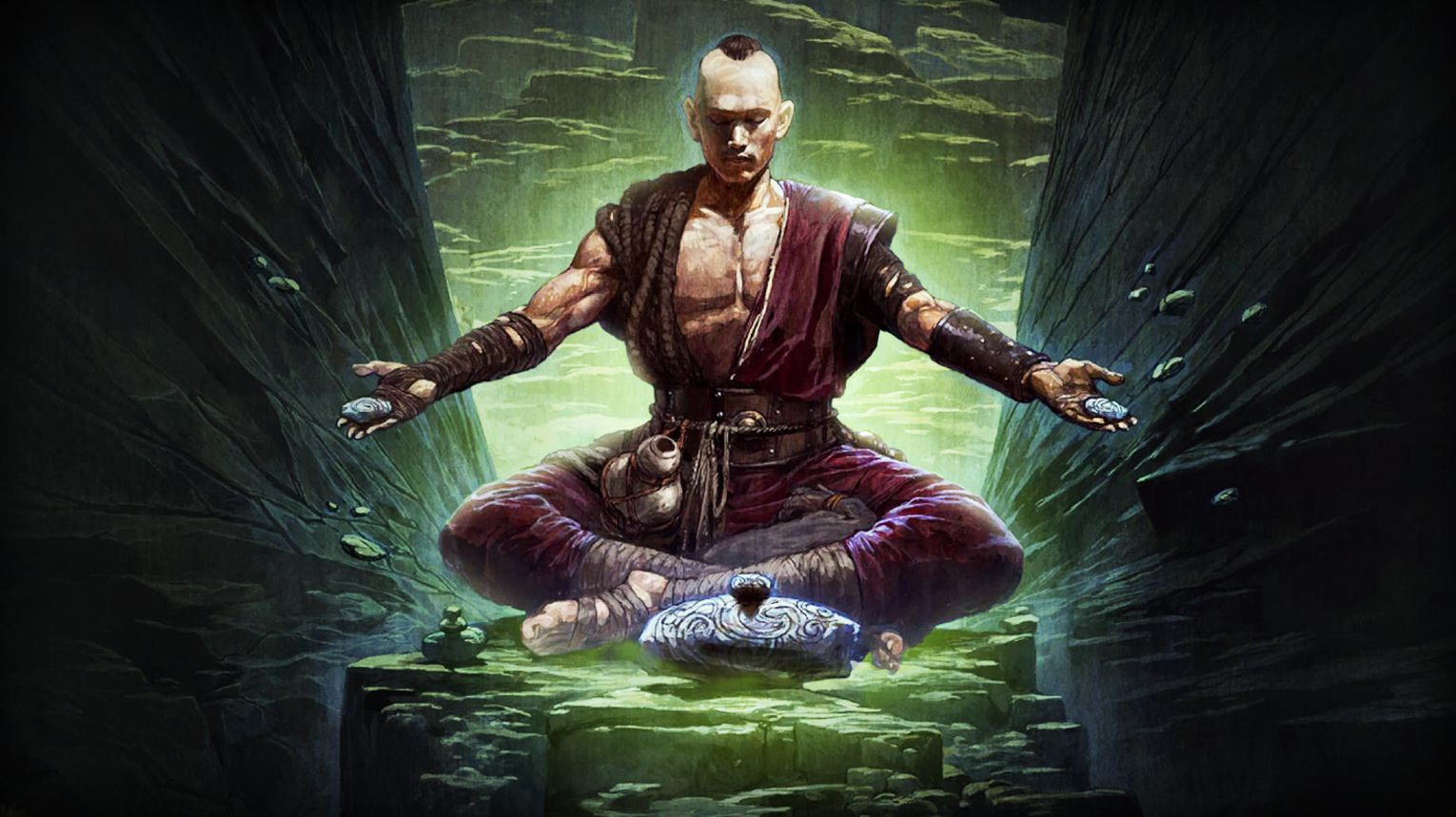
This Invoker Monk route is built for a fast, safe, low-effort campaign clear in PoE 2 patch 0.4 (The Last of the Druids / Fate of the Vaal). You level with a quarterstaff using a simple Ice Strike / Tempest Flurry core, then at around level 52, you can transition into Flicker Strike for very fast campaign finishing and early mapping. It scales smoothly and doesn’t depend on one rare drop to function.
Invoker: S-tier
What Makes This Build Special
-
- Smooth campaign pacing: strong, clear, and strong boss damage with basic gear.
- No weapon swapping: you upgrade one staff and keep going.
- Reliable damage loops in 0.4: bosses have anti-burst right after aggro, so this setup focuses on consistent DPS instead of “one big opener.”
- Invoker synergy: better Spirit efficiency in 0.4 (via The Soul Springs Eternal) helps you run more utility/meta tools earlier.
 Path of Building (POB): https://pobb.in/0OkcY37ZoTlJ
 How to Make the Build (Core Pieces)
1) Leveling Core (Acts 1–4)
- Start with early skills like Quarterstaff Strike (still strong early).
- Use Glacial Cascade + Frozen Locus for safe, wide clearing (place Locus, then hit it with Cascade).
- Move into Ice Strike as your main attack once available.
- Add Tempest Bell as your main boss tool: build hits, drop bell, hit it, repeat.
2) Power Charge Engine (For Burst When You Need It)
- Falling Thunder can feel weak without charges.
- Use Killing Palm (buffed in 0.4) to pick up Power Charges while dashing to low targets, then spend that power for big hits.
3) Transition Core (Act 3+ Into Maps)
- Pick up tools that help your late campaign and early map loop:
- Whirling Assault to build a combo quickly
- Charged Staff for a damage boost window
- Reaper’s Invocation + Profane Ritual to generate more Power Charges from corpses
- Mantra of Destruction to refill charges when combo hits 20 (big quality-of-life)
4) Flicker Strike Swap (Around Level 52)
Once your charge generation feels stable, you branch into Flicker Strike and use your charge tools to keep it going while mapping.
Gear and Stat Priorities (Simple Checklist)
Weapon (Quarterstaff)
Your staff is your biggest upgrade. Look for:
- Flat attack damage (physical and/or elemental)
- % increased physical damage or % increased elemental damage
- Attack speed
- Critical strike chance (a base with crit feels much better)
- Critical damage bonus as a luxury stat
Tip: a Gothic Quarterstaff is a great early base because crit helps your scaling.
Armor (Survive Melee Hits)
This build is melee. If you ignore defenses, you will get deleted.
- Helmet: get Energy Shield, and later aim toward a Subterfuge Mask type path for extra evasion value.
- Chest: armour/evasion is a strong early safety choice; ES/evasion also works if you prefer that feel.
- Gloves: flat damage is great; +1 to attack skills is a strong upgrade.
- Boots: movement speed is mandatory (0.4 is slower; don’t accept slow boots).
- Belt: resistances + defensive stats.
Jewelry
- Amulet: mana regeneration is very helpful; bonuses to armour/evasion/energy shield are great.
- Rings: Iron Rings are good early damage, but prioritize:
- flat elemental damage to attacks
- resistances
- life/attributes when needed
Remember: each act brings resistance pressure, so keep resists topped up.
Attribute Requirements
Plan for support gem requirements like Str 20 / Dex 15 / Int 10 so you don’t get stuck unable to socket key supports.
Uniques / “Legendaries”
This route is designed to not require uniques. If you find helpful uniques, treat them as bonuses, not requirements.
Later endgame tech mentioned for big “explosion” style clear can involve pieces like:
- Uruk’s Smelting
- Uul-Netol’s Embrace
These are late-game options because they can be costly and tied to specific support gem drops. You can clear the campaign and start mapping without them.
How to Level (Quick Act-by-Act Idea)
Act 1 Focus
- Build basic defenses (ES/armor/evasion + life) and a decent staff.
- Use Glacial Cascade + Frozen Locus to clear safely.
- Swap into Ice Strike as your main attack.
- Use Tempest Bell for bosses (repeatable loop: hit → bell → hit bell).
Also, don’t skip key Act 1 rewards (passive points, spirit, life, resist) because they smooth the rest of the campaign.
Acts 2–4 Focus
- Improve staff regularly (damage + speed + crit).
- Keep movement speed and resists on track.
- Add your charge tools so Falling Thunder and later Flicker have fuel.
- Respect the 0.4 boss anti-burst window: dodge first, then ramp damage after the first seconds.
Endgame Transition (Early Maps)
When you reach maps, the gameplay becomes a loop:
- Use a fast builder (like Whirling Assault) to stack combo,
- generate and refill Power Charges (Mantra / Reaper’s Invocation + Profane Ritual),
- activate Charged Staff for burst windows,
- then use Flicker Strike for fast clear once it’s online.
Invoker’s Spirit improvements in 0.4 also make it easier to run more utility/meta setups earlier (for example, options like Cast on Critical, Cast on Elemental Ailment, and Blasphemy if you build into that direction later).
Who This Build Is Best For
This Invoker Monk leveling route is optimal for players who want:
- a league-starter friendly Monk that works on normal gear,
- simple gearing (upgrade staff + defenses, keep moving),
- fast campaign completion with a clear level 52 power spike into Flicker,
- a build that rewards steady DPS and clean loops rather than one-shot openers.
Hollow Palm Monk: A-tier

This is a league-start friendly Monk built around Hollow Palm Technique starting at level 16, after you finish the early campaign with a quarterstaff. In patch 0.4, Hollow Palm gives much less attack speed from Evasion, so the plan is to pivot toward crit and finish with a Tempest Bell + leech style for strong single-target damage. The guide is written for “bad luck” scenarios, meaning it can work even if you get very few drops.
What Makes It Special
- Budget friendly: works on basic rares; only one optional chase unique is mentioned.
- Simple leveling route: quarterstaff early, then Hollow Palm at 16.
- Very tanky for early bosses: especially in T1/T2 bossing where you can play safe and sustain.
- Clear + boss tools are separate: you clear with Frozen Locus combos, and you boss with Tempest Bell.
- Honest trade-off: it can feel slow around waystones, and Hollow Palm has limited impact on some secondary skills (like Charged Staff damage or certain projectile parts).
Path of Building (POB): https://pobb.in/wU6cYTBEh1Ef
How to Make the Build (Core Setup)
Phase 1: Acts 1–Early Act 2 (Weapon Leveling)
You level like a normal staff Monk first because Hollow Palm isn’t worth it yet.
Goal: get a decent staff and enough defenses to survive melee.
- Use Quarterstaff Strike early (it hits hard at low levels).
- Clear mainly with Frozen Locus + Glacial Cascade (place Locus, then explode it with Cascade).
- For safer ranged play, you can use Storm Wave as an alternative cast into Frozen Locus.
At level 11, aim for a Gothic Quarterstaff (crit base). It doesn’t need to be perfect—just “not bad.”
Phase 2: Level 16 Onward (Hollow Palm Swap)
At level 16, you drop the weapon and take Hollow Palm Technique. From here, you continue through the campaign using the same “simple buttons” approach:
- Mapping/campaign clear: Frozen Locus + Glacial Cascade/Storm Wave
- Bossing: Tempest Flurry (or Ice Strike later) + Tempest Bell
Phase 3: Early Endgame (Crit + Bell + Sustain)
In early maps, the build leans more into:
- crit scaling
- reliable Power Charge generation (example: Reaper’s Invocation for charges and more crit)
- Tempest Bell as the “panic button” and main burst tool on bosses
Gear and Stat Priorities (Easy Checklist)
The build assumes you don’t get fancy items, so focus on the stats that always work.
Before Level 16 (Quarterstaff)
Quarterstaff priorities
- Increased Physical Damage or high flat Lightning damage
- Attack speed
- Crit chance (Gothic base helps)
A magic staff with one good damage roll can carry Act 1.
After Level 16 (Hollow Palm)
Because you don’t use a weapon, your gear slots matter more.
Armor philosophy: as a melee without a shield, armour is very strong early. You will get hit. Reducing incoming damage is often better than trying to dodge everything.
Slot-by-slot priorities
- Helmet: Life, Resistances
- Chest: Life, Resistances (armour base is fine; don’t overthink it)
- Gloves: + to Melee Skills (best), then Life/Resists/Flat damage
- Boots: Movement Speed (top priority), then Life/Resists
- Rings: Damage + Resistances, then Attributes
- Use a Sapphire Ring in Act 1 if you need cold resistance for the last boss.
- Amulet: ideally + to Melee Skills (hard to find), otherwise Resists/Life/ES/Attributes
- Belt: Life + Resistances, then Strength
Attribute needs for supports: plan for around Str 20 / Dex 15 / Int 15 so you can actually equip your support gems.
Skill and Support Gem Notes (Practical)
- Use Concentrated Area in Quarterstaff Strike until you get Tempest Bell, then move it where it gives the most value.
- If your damage is only physical early, Cold Attunement or Lightning Attunement can be better than Elemental Armament until you add more mixed flat elemental damage.
- Frost Bomb is a good optional tool for tougher rares and bosses because exposure helps single-target damage.
Leveling Tips (What to Do While Progressing)
- Act 1 can feel rough: prioritize a usable staff, movement speed boots, and basic resists.
- Keep using Frozen Locus for clear. You can cast it in a way that keeps you moving (drop it while running, then cast into it).
- For bosses:
- If the boss is dangerous in melee, use Storm Wave / Glacial Cascade more.
- If it’s safe, stay on Tempest Flurry and drop Tempest Bell for burst.
Endgame Transition (Where This Goes Next)
This Hollow Palm setup is meant to get you:
- through the campaign,
- into early mapping,
- farming currency safely
then transition into a stronger, more specialized endgame build later. The “end state” direction is crit-focused with Tempest Bell and leech for harder bossing.
 Uniques
This is mainly a rare-gear build.
- No required uniques to level and reach early maps.
- There is one optional chase unique, but it’s not needed for the core leveling plan.
Who This Build Is Best For
This is optimal for:
- new players who want a clear, forgiving campaign plan,
- league starters who expect bad luck with drops,
- players who want a tankier melee leveling experience and strong early bossing,
- anyone who wants a stop-gap build that can reach maps and fund a bigger endgame project.
Monk Lightning Bow: B-tier
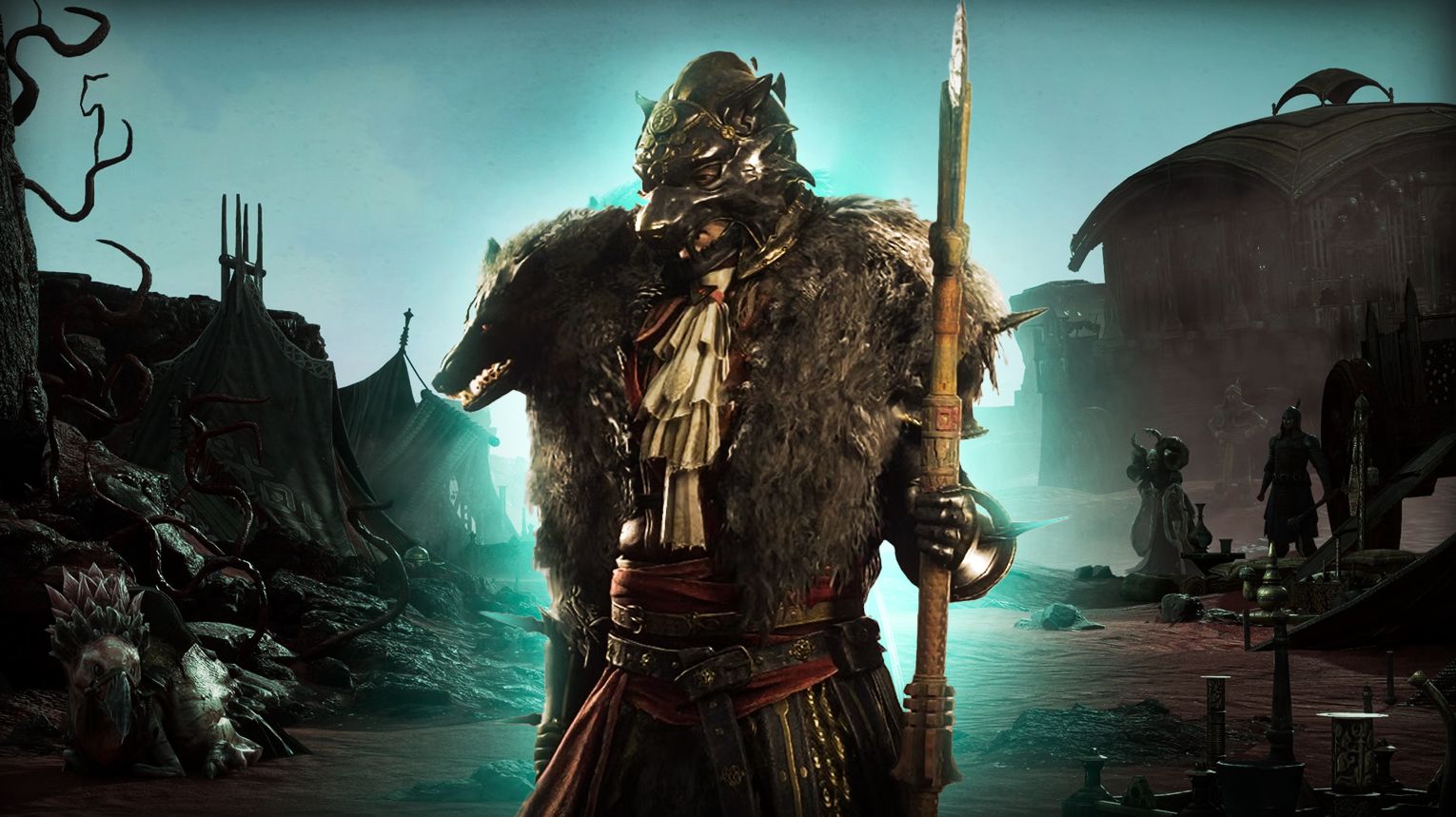
This is a league starter built to finish the campaign and farm early maps with simple gearing. Even though it’s an Invoker Monk route, it plays like a lightning bow build early: you clear with Stormcaller Arrow, and you kill bosses with Lightning Rod triggered by Lightning Arrow + Chain. Later, you can transition into a quarterstaff “Wave/Storm Wave” style once you reach Act 4–6 or find a strong staff.
What Makes This Build Special
- Very clear skill roles: one clear skill, one boss skill, one trigger skill.
- Good single target on a budget: Lightning Rod does the heavy lifting, Lightning Arrow just triggers it.
- Smooth early mapping: shock chance and AoE from Stormcaller Arrow keeps packs moving.
- Invoker synergy: you scale lightning damage cleanly and get strong value from Invoker ascendancy choices.
Path of Building (POB): https://pobb.in/KwFJ3iS67FQu
How to Make It (Core Setup)
The 3-Skill Engine
- Stormcaller Arrow = main clear. Spam it into packs. It sticks and then hits with lightning after a short delay, with good AoE and high shock chance.
- Lightning Rod = main single-target. Drop several rods on bosses and tough rares.
- Lightning Arrow (with Chain) = trigger for Lightning Rod. After placing rods, spam Lightning Arrow so the chains keep triggering Lightning Rod without the trigger delay that other options have.
Basic boss loop: place Lightning Rod a few times → spam Lightning Arrow until rods expire → repeat.
Optional Burst/Control Tool
- Freezing Salvo + Hourglass + Glaciation can be used to freeze bosses and add a burst every ~12–15 seconds (as long as you actually hit).
Gear and Stat Priorities (Simple and Practical)
Weapon + Quiver (Most Important Upgrades)
Look for 1–2 good damage stats and keep upgrading as you go:
- Flat added damage (physical and/or elemental)
- % increased physical damage
- % elemental damage with attacks (great if you find it)
- Attack speed
Helmet + Body Armor
- Helmet: aim for high Energy Shield so you get the most out of Subterfuge Mask later.
- Other armor pieces: prioritize Life + Resistances first.
Boots
- Movement Speed is the key stat.
- Then add Life/Resistances if possible.
Gloves
- Flat physical or lightning damage
- Attack speed
Jewelry
- Amulet: use it to fix Dexterity or Intelligence (hybrid requirements), then add resists.
- Rings: attributes + resistances first; add lightning damage to attacks if you can.
Flasks
Keep them upgraded while leveling. A weak flask setup slows you down more than most people expect.
Skill Gem and Support Priorities
Early Acts (Act 1 Start)
- Take Lightning Arrow first.
- Take Lightning Rod from the first chest and use them together.
- Get Stormcaller Arrow as soon as it’s available (around level 5–6).
Early Supports That Matter
- Scattershot for Lightning Rod
- Chain for Lightning Arrow (this is the important trigger link)
- Concentrated Effect next (good value for single target)
- Then scale Stormcaller Arrow with:
- Martial Tempo
- Lightning Infusion
Link/Quality Priority (Recommended Order)
Stormcaller Arrow > Lightning Rod > Freezing Salvo > everything else
Auras and Spirit Management
- Start with Herald of Thunder (used to proc Innervate).
- Then pick one defensive layer based on your gear:
- Ghost Dance if you’re using hybrid armor
- Wind Dancer if you’re using evasion armor
- After you get Lead me through Grace… on Monk, you can add:
- Clarity and/or Cannibalism, or
- run both Ghost Dance + Wind Dancer if your Spirit allows it.
Movement Setup
Use Shield Charge with a weapon swap for fast movement. You need enough Strength for it, but the requirement is low (the guide targets Str 5 for supports, but Shield Charge may need a bit more depending on your setup).
Passive Tree and Ascendancy Direction (High Level)
Invoker Monk Ascendancy Priority
I am the Thunder… → Lead me through Grace… → Unbound Avatar
Passive Tree Idea (Monk Version)
- Early: take Flow State, then move toward Blinding Strike.
- Next: pick up damage nodes like Killer Instinct, Wild Storm, and Exposed to the Storm, or path toward the Ranger area and take nodes up to Honed Instincts.
- Take Master Fletching later (it’s better once your quiver is good).
- Save Subterfuge Mask and Mindful Awareness for late campaign unless you feel squishy.
- Coming Calamity is a late pick (long pathing, do it after your core power is online).
Uniques
- No required uniques to function as a league starter.
- Subterfuge Mask is a key target/idea for the helmet slot because high Energy Shield scales well with it. Everything else is best handled with rare items that have life, resists, and attack damage stats.
Endgame Transition (When and How)
- Transition into a quarterstaff Wave/Storm Wave style around Act 4–6, or earlier if you find a strong quarterstaff.
- The reason to swap is simple: the staff version can scale harder into later maps once your weapon quality jumps.
Who This Build Is Optimal For
Best for:
- players who want a safe league starter with simple gearing,
- anyone who likes a clear separation between pack clear and boss damage,
- players who want to reach maps fast and then transition into a stronger staff endgame build.
Not ideal for:
- players who only want pure melee from level 1 (this plays bow-style early),
- players who dislike “setup then trigger” boss mechanics (rod placement + arrow spam).
Best Endgame Monk Builds
A strong endgame Monk build usually has three systems working together:
- A clear skill that deletes packs while you keep moving: endgame is about time per map. Good Monk setups clear fast with wide AoE and smooth movement, not by stopping to duel every pack.
- A reliable boss damage loop, not a one-shot opener: in patch 0.4, bosses have anti-burst right after they become active. Good builds focus on steady DPS cycles: build combo → turn on a damage buff → place a damage amplifier (like a bell-type skill) → keep attacking.
- A charge / combo engine that stays “online”: many Monk endgame builds scale hard with Power Charges and combo. The best versions generate charges consistently (often via corpse/ritual mechanics or combo spenders), then spend them for big damage and fast clearing.
Endgame Priorities for Monk (What to Focus On)
1) Keep Your Damage Consistent
- Build around repeatable rotations, not “hope this crits once.”
- If you use burst windows (like Charged Staff style buffs), make sure you can use them often and safely.
- If your damage depends on Power Charges, solve charge generation first. If charges drop, your clear speed collapses.
2) Scale Crit the Smart Way
Many Monk routes pivot into crit because it scales well into maps.
- Use weapons/bases that actually support crit (avoid options with 0% base crit, they kill your scaling).
- On the passive tree, crit nodes matter more once your weapon and attack speed are decent.
3) Don’t Skip Survivability (Melee Tax)
Monk is melee. Endgame punishes mistakes. Focus on:
- Life on multiple pieces
- Resistances capped (and remember penalties as you progress)
- A real defense plan: Armour is very good early for reducing repeated hits; Evasion + Energy Shield can also work if you build into it
- Tools that prevent deaths from “annoying stuff”: anti-slow and anti-disable options (charms help)
4) Fix Mana and Spirit Before Adding More Buttons
- Don’t stack too many “+melee skills” or expensive links too early if it makes you mana hungry.
- Upgrade flasks often.
- Plan Spirit usage so you can run key persistent skills (for example heralds, and later meta setups if you go that route). Patch 0.4 improves Spirit efficiency for Invoker, so you can start planning earlier.
5) Movement Speed Is Part of Your DPS
- Prioritize movement speed boots.
- Build so you can keep attacking while repositioning. This matters more than small damage upgrades.
6) Use Gear Priorities That Work on a Budget
- Weapon (if using quarterstaff): flat damage + % damage, attack speed, crit chance/crit bonus
- Gloves: flat damage, attack speed, sometimes +melee skills
- Helmet/Chest: life + resists, plus ES/evasion/armour depending on your defense plan
- Rings/Amulet: resists + attributes, and flat damage where possible
- Belt: life + resists (strength is a nice bonus)
Uniques can be upgrades, but endgame-ready builds should not require a specific unique to function.
Storm Wave + Flicker Invoker Monk: S-tier
This Invoker Monk build uses Storm Wave to clear maps safely and fast with near-100% crit and big AoE. For bosses, it swaps to Flicker Strike + Infernal Cry to delete high-end targets, including T4 Pinnacles, with a short setup. The key idea is simple: Storm Wave for consistent mapping, Flicker for controlled boss burst, so you avoid Flicker’s random deaths in packs.
In 0.4, Monk buffs improve Unbound Avatar uptime, but bosses are harder to burst instantly. This build works around that by using a strong, repeatable rotation and charge management.
What Makes It Special
- Two-mode gameplay that covers everything: Storm Wave clears, Flicker ends bosses.
- Very tanky ES setup: strong Energy Shield pool + fast ES recharge sustain.
- Near-100% crit chance: built around heavy crit chance stacking, then crit damage.
- Extra safety: includes Chaos + DoT immunity in the setup.
- High ceiling with small swaps: a “T4 boss swap” is only 1 item + 1 gem, and there’s a full tank variant for Simulacrum.
Path of Building (POB): https://pobb.in/xWpNnrzJ1f7u
How to Make It (Core Mechanics)
1) Map Clear: Storm Wave Crit + AoE
- Main skill: Storm Wave
- Supports focus on AoE and crit:
- Branching Fissures II for coverage
- Pinpoint Critical to help reach crit cap
- Clear boosters: Herald of Ash + Herald of Thunder for extra damage and explosions.
2) Boss Kill: Flicker Strike + Infernal Cry
- Boss skill: Flicker Strike
- Big multiplier: Infernal Cry (used twice in the rotation)
- Recommended support: Garukhan’s Resolve (helps reach crit cap and improves damage)
- Playstyle rule: do not Flicker into normal packs—use it for bosses and tough rares.
3) Charge Generation (The Engine That Makes It Work)
- In maps: Cast on Critical + Profane Ritual generates charges automatically while you fight.
- Before boss fights: use weapon swap to summon skeletons, then consume them for charges:
- Swap to Set 2 → summon Skeletal Warriors → cast Profane Ritual → gain charges
- Use Charged Staff, then refill charges again before the boss becomes active.
Important setup rule: put Profane Ritual and Infernal Cry on Weapon Set 2, while Cast on Critical and Herald of Ash stay on Set 1.
Gear and Stat Priorities
Mandatory / Key Requirement
- Unset Ring (required to fit all skills). You need at least one ring that grants an extra slot.
Weapon (Main Hand)
Your weapon is how you cap crit and scale damage.
Prefixes
- High physical damage
- Elemental Damage with Attacks
Suffixes
- + level of melee skills
- crit chance / crit damage
Priority order: Melee Levels > Crit Chance > Crit Damage > DPS > Elemental Damage with Attacks > other
Crit rule: aim for 11%+ base crit on the weapon so you can reach crit cap.
Runes
- Best: Soul Core of Ticaba (crit damage)
- Budget: Greater Iron Rune
Weapon Swap (Required for Boss Setup)
- Any Rattling Sceptre (to summon skeletons)
- Redblade Banner (buffs Infernal Cry)
- Use Soul Core of Zantipi on the banner to lower Strength requirements.
- Make sure Weapon Set 2 is configured to summon more skeletons.
Chest (Energy Shield Focus)
- Stack Energy Shield prefixes first. This also boosts Spirit value from your ascendancy interaction.
- Hybrid ES/Evasion is fine if it doesn’t tank your ES total.
Helmet
- High Energy Shield is the priority (example target: 350–400 ES after quality/rune).
- Nice extras: 20%+ crit chance and resistances.
- Example rune used: Greater Iron Rune.
Gloves (Big DPS Slot)
Try to get at least two of these:
- + to Melee Skills (biggest pickup)
- Flat Lightning or Fire damage where it fits
- Attack speed (valuable, but not as important as damage or skill levels)
Rune / Talisman choices
- Thane Grannell’s Rune of Mastery (more damage)
- Idol of Sirrius (extra attack speed)
- Boar Talisman (if you aren’t getting Rage from jewels)
Boots
- 25%+ movement speed minimum.
- After that, prioritize rarity and resistances, with Energy Shield as a bonus (around 250+ ES if affordable).
Amulet
- + to Melee Skills
- Anoint: Stormcharged
Rings
- At least one Unset Ring
- Flat lightning damage (main ring damage stat)
- Also good: mana/mana regen, resistances, rarity, flat fire (bonus)
- Have at least one ring with mana or mana regeneration
- Catalysts: Reaver Catalyst or Esh’s Catalyst for damage scaling
Belt (Unique Choices)
- Best: Headhunter
- Budget and very comfy: Shavronne’s Satchel
- Makes your life flask apply to Energy Shield, letting you keep ES recharge and feel much safer
- Works best with Olroth’s Resolve or an instant recovery life flask
- To recover ES, you often need to tap the flask multiple times
- DPS option: Darkness Enthroned (use offensive runes similar to glove focus)
Jewels (Mana Fix Is Mandatory)
- 2% mana recovery on kill is required; use 2–3 jewels with it to fix mana.
- After that: % Energy Shield and crit chance
- Optional uniques:
- Heart of the Well (Rage generation and damage)
- Against the Darkness (extra lightning damage; place near One with the Storm)
Flasks
- Best life flask option: Olroth’s Resolve
- Budget: any life flask with % instant recovery (important if using Shavronne’s Satchel)
- Mana flask: aim for high charges (example target: ~120 charges for Ambrosia use)
How to Level (Simple Plan)
- Level as a lightning crit Monk and move into the full Storm Wave setup as your gems/supports and crit chance come online.
Early priorities:
- Get Storm Wave functioning for clear.
- Start stacking crit chance nodes first (take crit chance over crit damage until capped).
- Build a solid Energy Shield base on chest/helmet so you stop getting one-shot.
- Fix mana early by planning for mana-on-kill jewels and at least one ring with mana/mana regen.
Endgame Transition and Swaps
- Early maps: mostly Storm Wave mapping, charges generated automatically through Cast on Critical + Profane Ritual.
- Bossing: weapon swap charge setup → Charged Staff → refill charges → wait for boss health bar → Unbound Avatar (if ready) → Infernal Cry twice → Flicker Strike.
- T4 Pinnacles: use the build’s “boss swap” (only 1 item + 1 gem) and consider adding Overcharge to Charged Staff for more damage.
- Full tank option: available for T3 Simulacrum / heavy juiced content if you prefer safety.
Ascendancy and Passive Focus (What Matters)
Ascendancy order
- Sunder my Enemies…
- I am the Thunder…
- Lead me through Grace…
- Unbound Avatar
Tree focus
- Go full lightning crit, investing heavily into crit chance and crit bonus.
- Take charge-related nodes like Overflowing Power and The Power Within early because more charges:
- increase flat damage from Charged Staff
- raise Flicker Strike’s damage potential
If you are short on points: drop lower priority damage/ES clusters first and keep the crit/charge core.
Who This Build Is Best For
Best for players who want:
- a budget-friendly league starter that scales into juiced T15 and Simulacrum
- a Monk that feels tanky with strong sustain (ES recharge + flask tech)
- fast, safe mapping without relying on Flicker inside packs
- a build that can still delete bosses when you want to
Not ideal for players who dislike:
- weapon swap setups
- mana management (until you get the mana-on-kill jewels online)
- juggling multiple skill sets for maps vs bosses
DRAGON Monk Wyvern: A-tier
This is an endgame Invoker Monk that plays in Wyvern form. It clears maps with Rend and Herald of Ice explosions, then deletes bosses with a short setup into Oil Barrage. The build is built around very high Energy Shield (often 10k+ ES) and uses Invoker’s Lead me through Grace… to gain a lot of free Spirit, letting you run multiple strong auras at once.
The author recommends leveling as a normal Monk and swapping to Dragon/Wyvern after level 80+, when you can afford the gear and attribute requirements.
What Makes It Special
- Two-button feel in maps: Rend + explosions do most of the work.
- Top-tier tankiness: big ES pool plus strong ES recharge sustain.
- Fast boss kills: Oil Barrage can drop T3 Pinnacles in a few seconds when it crits and is empowered.
- “Explode the screen” clear: Herald of Ice chains with a freeze-focused setup.
- Real trade-off: you must manage charges/combos, and the boss nuke depends on setting up a crit.
Path of Building (POB): https://pobb.in/fHh6RseRabvG
How to Make the Build (Core Pieces)
Main Clear
- Wyvern Rend as the main mapping skill.
- Herald of Ice for chain explosions.
- Embitter converts extra damage for Rend into cold so you freeze consistently.
- Bhatair’s Vengeance adds extra cold damage when you freeze, which helps keep explosions rolling.
- Invoker node: I am the Blizzard… helps trigger Herald of Ice explosions more often.
Single Target (Boss Nuke)
- Oil Barrage is the boss-killer.
- Combo + Power Charge setup:
- Rend (to build combo for Pounce)
- Pounce + Culmination II + Ailith’s Chimes (for Power Charges)
Mandatory Warning (Very Important)
You must have flat life regeneration on at least one item (any value over 1) or you can “randomly die” when Berserk is active. One ring, boots, or helmet is enough as long as it has flat life regen.
Gear and Stat Priorities (What to Look For)
Because this is an Invoker ES build, most items should be Energy Shield or Energy Shield + Evasion.
Weapon (Talisman)
You want a strong damage talisman with the right utility:
- High physical damage (top priority)
- Gain extra damage as Physical (mandatory for Herald of Ice explosion damage scaling)
- + level to Attack skills (mandatory damage stat)
- Attack speed (makes Rend smoother)
- Optional: critical strike chance
- Maximum Rage implicit on the base (important, because the tree doesn’t scale rage well)
Weapon Swap (Boss Utility)
Second weapon set is for debuffing bosses:
- Any wand with critical strike chance for spells
- Effigy of Cruelty
- Use this set to cast Entangle to blind bosses and apply Critical Weakness.
Body Armour
- Energy Shield as high as possible (around 1000+ ES is ideal)
- Resistances to cap
- Faster start of Energy Shield recharge (big quality-of-life sustain stat)
Helmet
- Aim for 450+ Energy Shield
- Critical strike chance helps your damage
- Optional: increased ES recharge rate
Gloves
Since Oil Barrage does the bossing, gloves don’t need +melee levels.
- High attack speed
- Flat damage: physical + lightning/cold
Amulet
- Crit chance + crit damage
- Choose one:
- + level to melee gems (better Rend mapping)
- + level to projectile gems (better Oil Barrage bossing)
- Instill Tribal Fury for smoother clear.
Rings
- Flat damage (physical + lightning/cold preferred)
- Resistances to cap
- Put your flat life regeneration here if possible (any value > 1).
Belt (Uniques)
- Main choice: Darkness Enthroned (socket runes that boost ES recharge rate and faster recharge start)
- Upgrade option: Headhunter (flex slot, strong if you have it)
Jewels
- Crit chance / crit damage
- % increased Energy Shield
- Nice extras: skill speed while shapeshifted
- Nice extras: ES recharge rate / faster start of recharge
Special Jewel Notes
- Heart of the Well can be used; best rolls include damage as extra element, skill speed, and crit chance.
Leveling Plan (Simple)
This is not meant to be a full campaign build.
- Level as a standard Monk setup.
- Swap to Wyvern/Dragon after level 80+, when you can meet:
- Str/Dex/Int requirements (targets around Str 45 / Dex 45 / Int 35)
- the high ES gear needs (so Lead me through Grace… gives big Spirit)
- the talisman weapon requirements
If your attributes are short, keep key auras at lower gem levels (around level 14) until your gear fixes it.
Endgame Transition and Gameplay Loops
Mapping Loop
- Use Rend to freeze and chain Herald of Ice explosions.
- If explosions feel weak, check the map mods:
- 60% enemy ailment threshold reduces explosions
- 100%+ can stop explosion chaining from working reliably (you can still run these maps, but clear feels worse)
Boss Rotation (The “One-Tap” Setup)
- Swap to weapon set 2: cast Entangle with Effigy of Cruelty to blind and apply Critical Weakness.
- When the boss spawns: hit with Rend 4–5 times to build combo for Pounce.
- Pounce to gain Power Charges (aim for at least 2).
- Cast Oil Barrage.
If Oil Barrage doesn’t crit early (happens on weaker gear), repeat the setup—charges are easy to rebuild.
Who This Build Is Optimal For
Best For:
- players who want an endgame Monk that can do all content
- people who like big ES tank builds with strong sustain
- players who enjoy explosion-based mapping and fast boss phases
- anyone who prefers simple map play, but doesn’t mind a short boss setup
Not Ideal For:
- early league leveling from scratch (it’s designed to swap in late)
- players who dislike charge/rotation setup
- anyone who forgets “small mandatory stats” (flat life regen is not optional here)
Ice Strike Invoker: B-tier
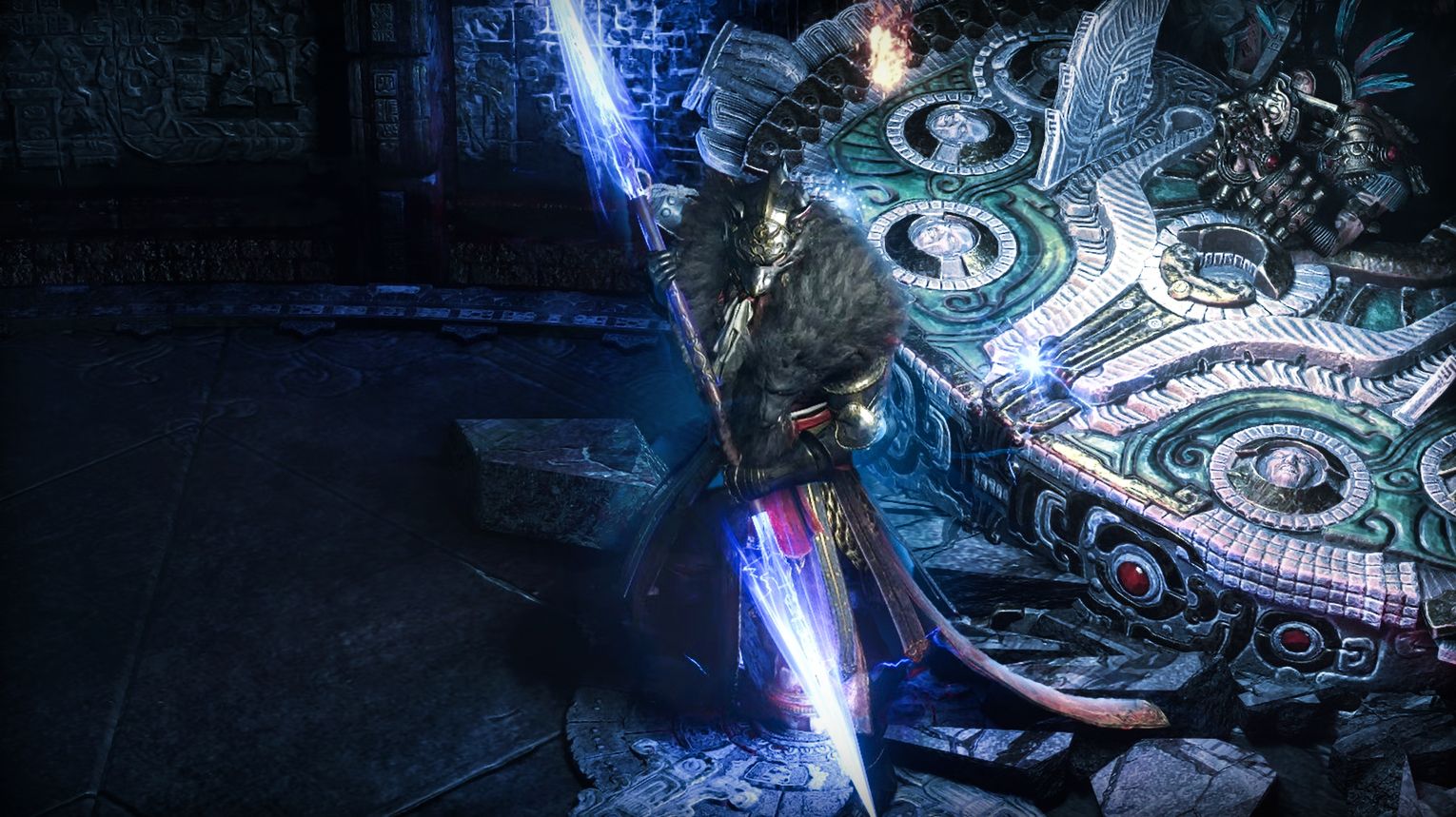
This Monk build uses Ice Strike as the main attack, then spikes damage with Charged Staff and Tempest Bell. Charged Staff spends Power Charges to add a big Lightning damage buff and extra shockwaves to your Ice Strike. Tempest Bell is your boss tool: you drop it and hit into it to melt targets.
For map clear, the build stacks big AoE and uses Shattering Palm + Herald of Ice to create screen-wide cold explosions. In the late game it transitions into a very tanky setup with Chaos Inoculation (CI) and Meditate, reaching very high Energy Shield (often over 15,000 ES) while freeze adds another defensive layer.
How to Make It (Core Setup)
Main Skills and What They Do
- Ice Strike: fast melee hit and your main damage source.
- Charged Staff: consumes Power Charges to buff Ice Strike and add shockwaves for extra AoE and damage.
- Tempest Bell: place it on bosses for a big damage boost.
- Shattering Palm + Herald of Ice: a clear-speed package that turns freezes into explosion chains.
Power Charge Engine (Important)
To keep Charged Staff working, you need easy charge generation:
- Use Combat Frenzy once you unlock a Level 8 Spirit Gem.
- Allocate Resonance as soon as you can (around level 36). This combination makes Power Charges feel close to endless.
Path of Building (POB): https://pobb.in/xdcFRB6HwY9f
Gear and Stat Priorities
Offense (Weapon First)
Your weapon is the biggest upgrade while leveling and in early maps. Look for these stats in order:
- Attack Speed
- % Elemental Damage with Attacks
- Critical Hit Chance
- % Physical Damage
- Flat added Physical Damage
- Flat added Cold/Fire/Lightning
Physical vs elemental isn’t a huge debate early—pick the highest overall DPS weapon once you have a couple good mods.
Extra strong stat: + levels to attack/melee skills. This scales your key attacks (including Charged Staff and utility skills). In the guide, this is tied to using Perfect Essence of Battle.
Defense (Campaign → Maps → Endgame)
- Campaign / early maps: prioritize maximum Life plus enough resistances to hit the cap (aim for 75% elemental res).
- As you progress: start stacking Energy Shield and Evasion.
- Endgame: transition to CI so you can ignore chaos damage and focus fully on Energy Shield.
Mana Sustain (Endgame Requirement)
You need a source of Mana Leech later. The guide notes that mana leech combined with Walker of the Wilds covers your mana sustain.
Rarity (Optional)
Aim for around 50–100 item rarity once your build feels stable, for better loot without sacrificing core stats.
Uniques (And What’s Actually Required)
This guide does not hinge on one mandatory unique to function. The power comes from:
- the skill package (Ice Strike + Charged Staff + Tempest Bell),
- the Power Charge engine (Combat Frenzy + Resonance),
- and the CI + Energy Shield endgame swap.
One named item mentioned is Rakiata’s Flow as a point where Meditate can be used more comfortably. Treat that as an upgrade path, not a hard requirement.
How to Level (Simple Plan)
Act 1 Start
Melee can feel rough early. The guide recommends a spell stopgap before Ice Strike is fully online:
- Use Glacial Cascade early (especially before the Geonor fight).
- Pick up key gems from Act 1 encounters (Killing Palm / Frozen Locus / Glacial Cascade rewards and uncut support gems).
Tip for Geonor: find extra Uncut Support Gems from optional events so your links are stronger for the fight.
When Ice Strike Comes Online
Once you have Ice Strike + Tempest Bell, that becomes your main campaign combo:
- Clear with Ice Strike and your AoE supports.
- On bosses: drop Tempest Bell whenever it’s available.
Campaign Gearing Tips
- Always check vendors for a better quarterstaff base.
- Use crafting currency early on weapons and boots.
- Flat damage on rings and gloves is a big early DPS boost.
- You do not need resists on specific slots—just hit the total caps across all gear.
Endgame Transition (What Changes)
The big shift is going from a life-based leveling setup to an ES endgame tank:
- Early maps: still mostly life + capped resists; start adding ES pieces.
- Resonance + Combat Frenzy online: Charged Staff becomes much smoother because charges are easy.
- Swap to CI (endgame): chaos damage stops being a gearing problem, and you fully commit to Energy Shield stacking.
- Meditate scaling: with enough ES and the right setup, Meditate pushes your ES pool to “tank” levels while you still clear fast.
What Makes This Build Special
- Fast melee that clears like an AoE build: shockwaves + cold explosion chains.
- Boss damage is simple: Tempest Bell + Charged Staff turns Ice Strike into a real single-target skill.
- Endgame tankiness without losing clear speed: CI + huge ES + freeze control.
Who This Build Is Best For
Optimal for:
- players who want a melee Monk that scales hard into maps and bosses,
- anyone who likes freeze explosions and fast screen clear,
- players who enjoy building into a CI Energy Shield tank in endgame.
Less ideal for:
- players who want an easy Act 1 melee start (it ramps up after key gems),
- players who dislike managing a short buff cycle (Power Charges → Charged Staff) for best damage.
Conclusion
Monk is one of the best classes in PoE 2 if you want speed, strong clears, and high damage once your setup is online. Pick a build that matches how you like to play: simple staff leveling, Hollow Palm budget safety, a bow-style starter, or an endgame ES monster like Storm Wave + Flicker or Wyvern. No matter which route you choose, keep your weapon updated, cap resistances, and solve mana and charges early so your damage stays consistent. In patch 0.4, steady rotations beat one-shot openers, especially on bosses. Follow the gear and stat priorities in this guide and you’ll reach maps faster, die less, and scale into endgame smoothly.
