
Mercenary is a strong pick in Path of Exile 2 if you like a fast, adaptable playstyle. You’re constantly on the move, reacting to what’s happening instead of getting locked into one slow plan. Because the class can work with different weapon setups, it’s easy to change your approach from fight to fight—kite when things get dangerous, push in when you have an opening, and swap tools when a situation calls for it. If you enjoy flexible combat more than a single “one-track” rotation, Mercenary fits that vibe really well.
Mercenary’s biggest strength is damage and control from range, especially once your kit expands beyond basic crossbow shots. Early on, the class can feel awkward because of bolts and reload timing, but it becomes much smoother when you add grenades. Grenades cover the reload downtime, bring strong area damage, and give you reliable options for single-target too.

If you’re building around grenades, you’ll also want the key passives that make the whole thing work, like Cluster Bombs and Repeating Explosives.
 Choosing the right build matters because Mercenary can play in very different ways: crossbow-heavy, grenade-heavy, or a mix of both. If your build matches your preferences—steady ranged damage, big explosions, more control, or a simpler rotation—you’ll level faster and waste less time on upgrades that don’t help. In this guide, we’ll break down the best Mercenary leveling builds and the best endgame builds, with clear tips for skills, passives, and gearing.
Best Mercenary Builds for Leveling
A good Mercenary leveling build solves three problems at the same time:
- Clear packs fast
Mercenary can feel slow early because crossbow bolts + reload create downtime. Strong leveling builds fix this by adding grenades and a detonator skill so you can keep killing while you reload. - Have a simple boss plan
You want reliable single-target damage that still works when you must move. Grenades + Explosive Shot (as a detonator) gives steady damage without needing perfect positioning. - Stay alive while playing ranged
Mercenary is strong at range, but can feel fragile if defenses fall behind. Good builds pick defensive passives like Iron Reflexes and use gear stats that keep you from getting burst down.
 What to focus on while leveling a Mercenary (tips)
1) Use crossbow shots early, then pivot into grenades
- Early game can be awkward. Skills like Fragmentation Shot (stun/damage) and Permafrost Shot (freeze) help you control fights.
- Once you unlock grenade skills, Mercenary “clicks.” Grenades cover reload downtime and give big AoE:
Gas Grenade — solid for covering a big area and controlling space
Explosive Grenade — great for clearing, with strong burst into packs
Oil Grenade — an optional setup tool to help ramp your damage
Explosive Shot — your main detonator for both clearing and boss fights
2) Build around grenade synergy (not random buttons)
A smooth leveling setup usually has:
- A grenade skill (creates the threat)
- A detonator (finishes packs and chunks bosses) — often Explosive Shot
- A safety tool like Flash Grenade
- Optional support:
- Ripwire Ballista to distract and control enemies
- Glacial Bolt to freeze scary packs (or swap to Oil Grenade on tougher fights)
- Galvanic Shards to clean up weak mobs without waiting on grenade setups
3) Pick passives that multiply your grenades
If you’re playing grenade-focused Mercenary, these are high-impact leveling passives:
- Cluster Bombs: more grenade projectiles (better coverage and damage)
- Repeating Explosives: chance for grenades to detonate twice (huge value once you have more projectiles)
- Iron Reflexes: converts Evasion into Armor for a big defense boost.
This is especially useful if you use Witchhunter tools like Sorcery Ward, which trade Armor/Evasion for a barrier against non-Physical damage—Iron Reflexes helps offset that penalty.
Other helpful passives as needed:
- Cooldown reduction (more grenades, more often)
- Projectile / grenade damage
- Area of Effect (bigger explosions)
- Crossbow reload time (quality-of-life if reload feels bad)
4) Gear upgrades: crossbow first, then defenses
- Your crossbow is the most important item because it affects your overall power and access to key skills.
- If you find a Bombard Crossbow, it’s a big upgrade for grenade builds because it adds an extra grenade projectile to your grenade skills (more coverage, more damage).
- On other gear, keep it simple:
- Movement speed on boots
- Life and elemental resistances (Fire/Cold/Lightning)
- A balance of Dexterity and Strength to meet skill and weapon requirements
- Armor and Evasion (then Iron Reflexes can turn that Evasion into Armor)
- Useful sustain stats like mana on hit/kill and life on hit/kill
- Attack speed for smoother combat
5) Support gems: prioritize what helps leveling feel smooth
By around Act 3, you can start locking in the core supports that match the grenade plan:
- Focus on supports that improve AoE, Ignite, or Poison, depending on your skills.
- The goal is not perfect min-maxing early—it’s making your rotation consistent: grenade → detonate → reposition → repeat.
 Quick checklist
- Add grenades as soon as you can to cover crossbow reload downtime.
- Use Explosive Shot as your main detonator once available.
- Take Cluster Bombs + Repeating Explosives for grenade power.
- Take Iron Reflexes if you need stronger defenses (especially with Sorcery Ward style setups).
- Upgrade your crossbow often—watch for Bombard Crossbows.
- Keep resists, life, and movement speed up while leveling.
Below, we’ll briefly overview and rate the most popular Poe 2 Mercenary leveling builds in 0.4.0.
Permafrost Bolt Witchhunter: S-tier
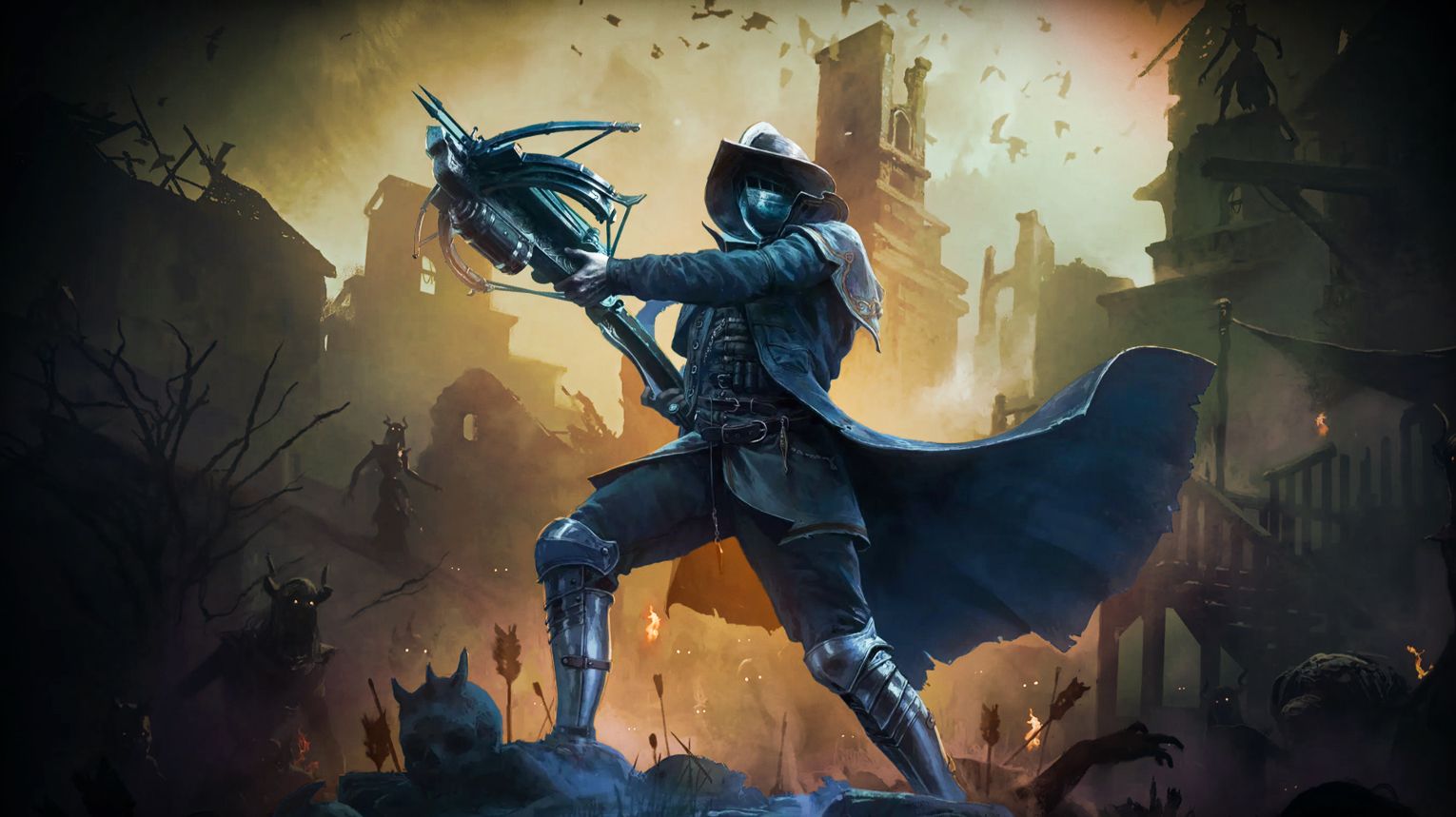
Permafrost Bolt Witchhunter is a Mercenary build that clears by freezing enemies with Permafrost Bolts, then shattering packs with Fragmentation Rounds explosions. For tougher rares and bosses, it adds Explosive Grenades while the enemy is hard to freeze. Defensively, it leans on Evasion + Deflection and a large Sorcery Ward shield that scales from your Armour and Evasion.
 What makes it special
- Freeze + shatter chaining clear: you freeze one target, Fragmentation Rounds explodes it, and the explosions can chain through packs.
- Strong boss loop that stays safe: freeze with Permafrost Bolts → big Fragmentation Rounds hit when frozen → use Explosive Grenades during the boss’s higher ailment threshold window → repeat.
- Very strong defense layer from Sorcery Ward: the build aims to avoid hits so your Sorcery Ward shield stays up and regenerates often.
- Plays like endgame from level 1: you can equip Permafrost Bolts at level 1, so the build needs little to no respec later.
 Path of Building (POB): https://pobb.in/H6F2lCL4BY7S
 How to make the build (core setup)
Main damage combo
- Permafrost Bolts = main skill to freeze and shotgun at close range.
- Fragmentation Rounds = use on frozen enemies to cause explosions and heavy burst.
- Explosive Grenade = extra damage for rares/bosses, especially when freezing is harder.
Helpful utility/buffs (from the setup)
- Herald of Ice + Herald of Ash for extra clear and damage.
- Freezing Mark to speed up freezes and boost boss damage.
- Wind Dancer for avoidance and control.
- Shard Scavenger is a key quality-of-life skill: after Fragmentation Rounds, it instantly reloads and restores one grenade cooldown, improving uptime.
Close-range tip (important)
Permafrost Bolts and Fragmentation Rounds have spread but can shotgun. Standing closer makes more projectiles hit one target, so supports like Close Combat II are very valuable.
Ascendancy (Witchhunter) priorities
- Pitiless Killer – gives Culling Strike, helps finish enemies faster.
- Judge, Jury, and Executioner – gives Decimating Strike (big first-hit chunk), making packs and rares die much quicker early.
- Obsessive Rituals – unlocks Sorcery Ward (trade some Armour/Evasion for a regenerating shield based on them).
- Ceremonial Ablution – upgrades Sorcery Ward so the shield protects against Physical and Chaos too, meaning it covers all hits.
Gear and stat priorities
Defense first: keep resists capped
- Cap Fire/Cold/Lightning resistances at 75% from your total gear.
- Stack Evasion Rating hard in the endgame, because it fuels:
- your chance to avoid hits,
- Deflection value (mitigation chance based on Evasion),
- and the Sorcery Ward shield size.
Offensive scaling (best stats)
- +Levels to Projectile Skills (very high value)
- Crossbow reload speed (smoothness and real DPS)
- Attack speed / skill speed
- Projectile / Cold / Attack damage
- Extra value stats: culling strike threshold, and elemental ailment help (freeze consistency)
Item slot notes (from the guide’s examples)
- Crossbow: aim for high physical damage, attack speed, +projectile skill levels, and bonuses like loading an additional bolt.
- Helmet/Body/Boots/Gloves: prioritize Evasion + Life, and modifiers that convert some Evasion into Deflection.
- Rings/Gloves: flat added damage (especially Cold damage to attacks) is strong while leveling and early maps.
- Amulet: +Projectile skill levels and Spirit help a lot with scaling and running buffs.
Uniques (optional)
This build does not require Uniques, which makes it good for league start and SSF-friendly play. That said, it benefits from upgrades like:
- Sine Aequo
- Hyrri’s Ire
Useful leveling Uniques (nice, not required) include:
- Blackheart
- Grip of Winter
- Surefooted Sigil
- Wanderlust
How to level (simple plan)
- Start immediately with Permafrost Bolts (available at level 1).
- Early campaign: use Permafrost Bolts → Fragmentation Rounds to clear packs until your damage is high enough that Permafrost Bolts can clear alone.
- Keep upgrading your crossbow often; it’s your biggest damage upgrade while leveling.
- Fill gaps with gear basics: life + capped resists, and add flat damage on rings/gloves.
- Use runes that add damage types in your weapon (example: Lesser Glacial Rune) when you need a quick power boost.
Endgame transition (campaign → maps → endgame)
- No major respec needed: the campaign uses the same skill package as endgame.
- In early maps, focus upgrades in this order:
- Cap resists
- More Evasion on gear (this is your main defense scaling)
- Better crossbow with projectile levels + reload speed
- More Deflection scaling (often comes naturally from Evasion-focused pieces)
Once your gear and passives come online, Permafrost Bolts naturally takes over as your go-to for clearing packs. Fragmentation Rounds then makes more sense as a “save it for the important stuff” button—finishing off tanky rares and helping you burn down bosses.
Eventually, the bottleneck stops being damage and starts being reload uptime. When it feels like you’re spending too much time reloading instead of firing, Arjun’s Medal is a strong quality-of-life option because it reduces how often you’re forced into manual reloads, keeping your tempo fast and your rotations smoother.
 Who this build is optimal for
This Mercenary build is best for players who want:
- A freeze-based ranged build with satisfying shatter explosions
- A build that feels good from level 1 and scales into endgame
- Strong defenses based on Evasion + Sorcery Ward
- A clear boss routine that rewards timing and positioning
It’s less ideal if you dislike:
- Playing at closer range to maximize shotgun damage
- Managing a simple freeze window (freeze first, then Fragmentation Rounds)
- Crossbow reload management until your supports and setup smooth it out
Siege Cascade Tactician: A-tier
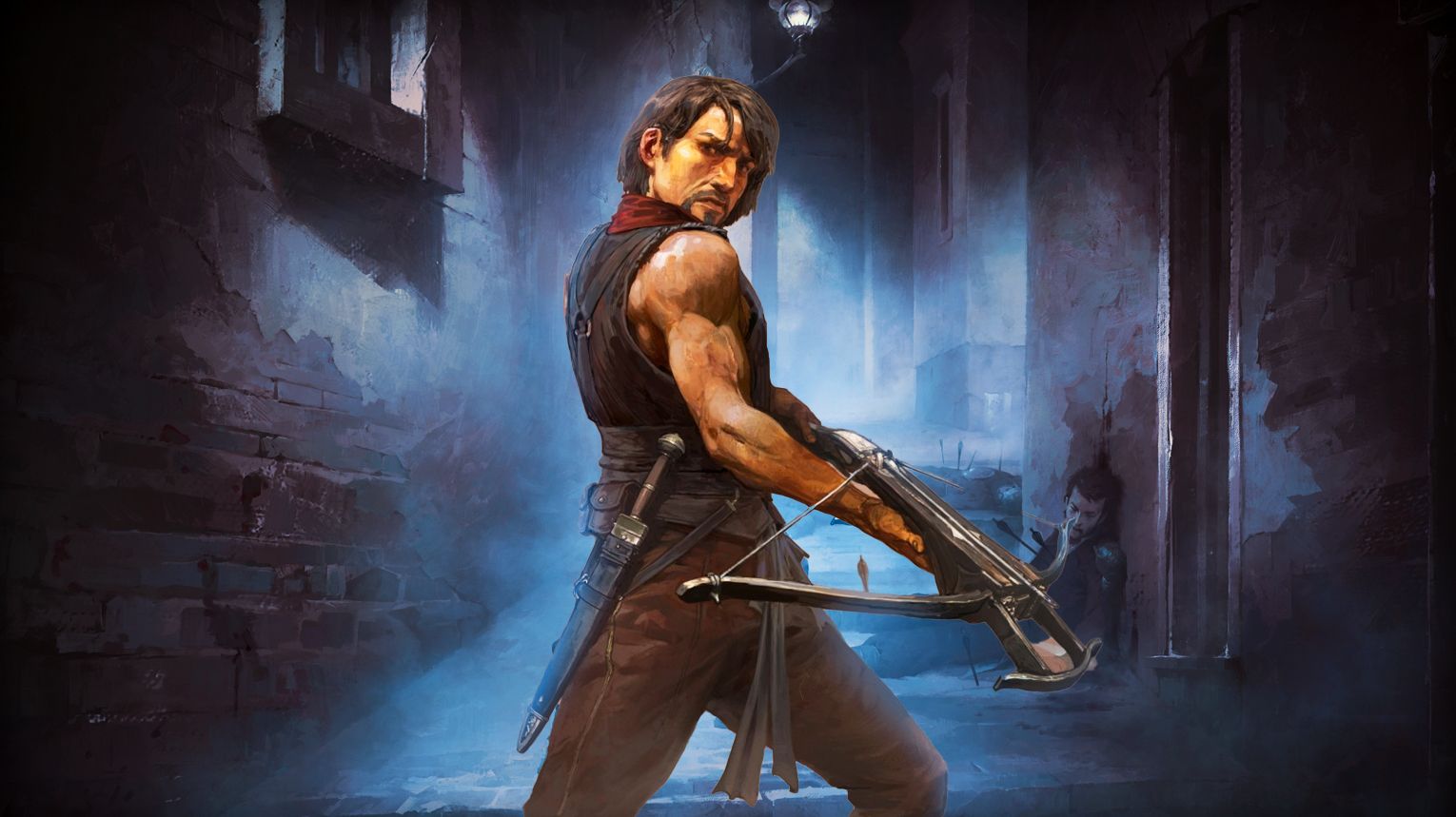
Siege Cascade Tactician is a Mercenary endgame build that rains auto-targeting explosive bolts from above. The skill fires more bolts when more monsters are nearby, so it clears maps fast without needing perfect aim. The big twist is that Siege Cascade hits twice: the first hit helps Pin enemies, and the second hit explodes for huge damage—especially against immobilised targets.
This build is mostly Physical damage, and it uses Bleeding to scale boss damage hard.
What makes it special
- Damage and defense scale together: you invest in Pin/Immobilise, then you get both safety (enemies can’t act) and more damage (Siege Cascade bonus vs immobilised).
- Two-hit mechanic feels powerful: first hit sets up control, second hit cashes out with a big explosion.
- Great patch scaling: in 0.4, Siege Cascade’s quality bonus went up (up to 140% more damage vs immobilised at 20% quality), so gem quality matters a lot.
- Strong with common uniques, but not forced: it can start cheap and still scale very high with upgrades.
Path of Building (POB): https://pobb.in/f4aSTOT4-gag
How to make the build (core pieces)
1) Level with grenades, swap later
Siege Cascade unlocks late and needs setup to feel smooth. The standard path is:
- Campaign + early Atlas: play Gas Grenade + Explosive Grenade (with utility like Oil Grenade, Elemental Weakness, Flash Grenade).
- Swap to Siege Cascade around level 72, once you have the gems, supports, passive points, and a good physical crossbow.
2) Bleed Siege Cascade skill setup (level 72 swap)
Core links shown in the guide:
- Siege Cascade with Bleed III, Heft, Brutality III, Projectile Acceleration III, plus Ratha’s Assault support/slot. Add-ons:
- Herald of Blood (damage)
- Artillery Ballista (helps build Pin on bosses)
- War Banner (burst timing)
- Scavenged Plating + Precision (utility/consistency)
3) Boss rotation (simple loop)
- Pre-place Artillery Ballista to build Pin before the boss is active.
- Use Siege Cascade (or High Velocity Rounds if the boss is very evasive) until the boss is about to be pinned.
- Drop War Banner and trigger Mirage Archer if you use it.
- Once pinned: spam Siege Cascade for maximum damage.
- Repeat.
Ascendancy choices (Tactician)
A common order from the guide:
- Suppressing Fire – more immobilisation buildup (pathing node).
- Right Where We Want Them – the build’s identity: all projectile damage can Pin, and pinned enemies cannot act.
- A Solid Plan – big power spike: basically double Spirit, letting you run more persistent buffs (slot Eternal Rage right away).
- Polish That Gear – strong defense, especially because the build stacks Armour and benefits from extra Deflection.
Gear priorities and stat goals
The #1 item: a high Physical DPS crossbow
This is the biggest damage upgrade, always. Look for:
- High % increased Physical Damage
- Added flat Physical damage
- +Projectile / Attack skill levels
- Attack speed
- (Optional early) bases with “Loads an additional bolt” implicit. Once you have Ratha’s Assault, you don’t need that implicit as much.
Simple crafting tip from the guide: buy a magic crossbow with high % physical, use Greater Essence of Abrasion, then socket two Greater Iron Runes to create a strong early weapon.
Offensive stats (best to stack)
- High physical crossbow damage (again: main scaling)
- Projectile and Attack skill levels
- Flat damage on rings and gloves (especially physical)
- Magnitude of Bleeding (tree + jewels)
- Attack speed
- Damage to immobilised targets (tree, Siege Cascade quality, some gear)
- Armour Break on Pin
- Projectile speed (pairs well with Projectile Acceleration III)
- “Gain % of damage as extra Physical” (great when available)
Defensive stats (what keeps you alive)
- Pin is a major defense layer: if enemies can’t act, you take fewer hits.
- Resistances capped at 75% (Fire/Cold/Lightning)
- Armour (core)
- Life
- Physical damage leeched as life
- % of Armour also applies to Elemental damage
- Extra help: Blind on hit (noted via Sand in the Eyes)
Mana/comfort option mentioned:
- Greatwolf’s Rune of Willpower (damage taken from mana before life). With Ratha’s Assault, mana is usually manageable.
Best uniques (strong upgrades, not mandatory)
The guide calls these “incredible choices”:
- Sine Aequo (unique gloves) – now gives more damage to immobilised targets (buffed in 0.4).
- Ryslatha’s Coil
- Ratha’s Assault
- Morior Invictus
These uniques fit the build’s theme: physical damage scaling and big payoff against pinned/immobilised enemies.
How to level (campaign tips)
- Use Gas Grenade + Explosive Grenade through the campaign and into early mapping.
- For bosses while leveling: pre-cast Oil Grenade + Elemental Weakness, then rotate Gas Grenade twice → spend Explosive Grenade charges.
- Keep upgrading your crossbow and your gems. Grenades stay strong for a long time if you do this.
- Prioritize Life + Resistances on armour, and flat physical damage on rings.
Endgame transition (when to swap to Siege Cascade)
Swap at about level 72 when you have:
- Enough skill gems and support gems (including higher-level uncut gems from maps)
- A high physical damage crossbow
- Enough gold to respec the passive tree for the bleed Siege Cascade setup
After the swap:
- Early endgame focuses on Bleed scaling (Rusted Pins, Wasting, and crit help like Perfectly Placed Knife).
- True endgame tree is best once you can fit Eternal Rage + Berserk and you’ve solved the life regeneration cost of that setup.
- Use Weapon Swap to run a safer mapping Siege Cascade and a higher-damage bossing Siege Cascade.
Who this build is best for
This Mercenary build is ideal for players who want:
- Fast map clear with auto-targeting explosions
- A build that feels safe because enemies get pinned and can’t act
- Strong boss damage through physical hits + bleed scaling
- A build that starts cheap (grenade leveling) and grows into a high-investment endgame setup
Tactician Mirage: B-tier
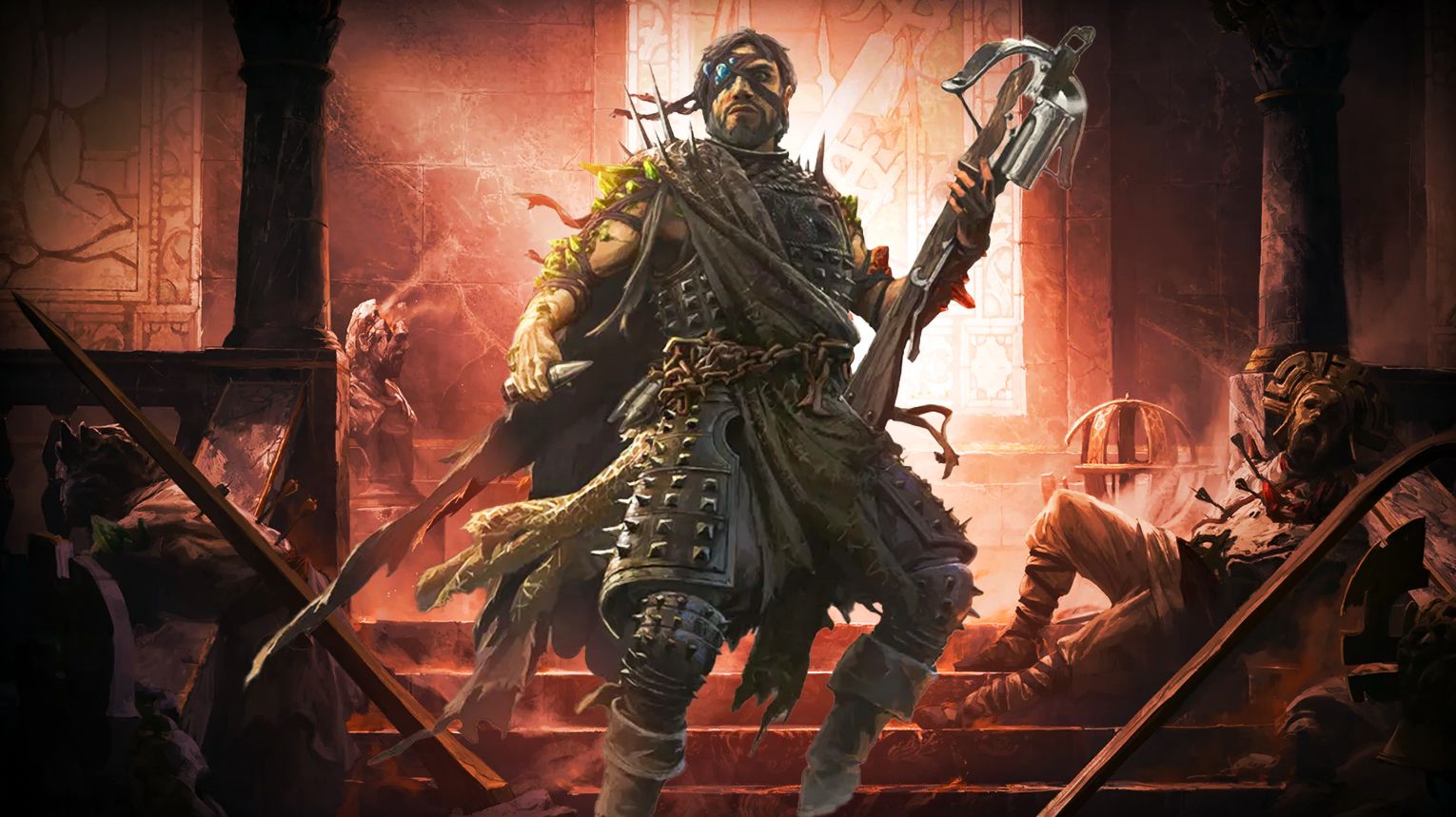
This Mercenary build uses Stormblast Bolts for boss damage and Galvanic Shards for fast mapping. The key 0.4 change is that Mirage Archer now scales with cooldown reduction and skill effect duration, so you can turn it into an automated detonator. That matters because Stormblast Bolts does no damage until detonated. If detonating happens automatically while you play, your real single-target DPS jumps a lot.
What makes the build special
- Automated detonations on bosses: you drop Stormblast Bolts, then dodge roll to trigger Mirage Archer and detonate without swapping skills manually.
- Stormblast Bolts has “detonator-balanced” numbers: at level 20 it fires 4 projectiles and the explosions scale extremely well when you can detonate consistently.
- Big damage scaling from new Spirit-heavy buffs: Eternal Rage + Berserk plus max rage nodes gives a large damage multiplier, and Trinity adds another huge “more damage” layer.
- Early map blasting: Painter’s Servant makes Trinity easy to sustain, which boosts the normally weak Galvanic Shards + Herald of Thunder combo into a strong early mapping setup.
Path of Building (POB): https://pobb.in/bPGZ2Ywk9lkb
How to make it (core pieces)
Ascendancy: Tactician
You take A Solid Plan because it gives 50% reduced Spirit reservation for persistent buffs. This is what makes the build function, since it wants many Spirit costs at once (Eternal Rage, Trinity, Vitality buffs, etc.).
Skill setup (gameplay split)
- Mapping: spam Galvanic Shards with Herald of Thunder to clear quickly.
- Single target / bosses: place Stormblast Bolts, then dodge roll to trigger Mirage Archer detonations.
Important play tip: Mirage Archer targets randomly. For tanky rares, clear nearby trash first, then switch to Stormblast Bolts so the automated detonations don’t waste shots on random mobs.
Leveling plan (simple)
- Acts / early leveling: level with Explosive Grenade and Flash Grenade (safe, smooth, good damage).
- Swap point: switch when you reach level 14 Spirit gems, or earlier if your crossbow is strong enough and you already have Mirage Archer and can clear with Galvanic Shards.
- Early maps: Galvanic Shards carries map clear, while Stormblast Bolts becomes your boss tool.
Endgame transition (what changes)
- Your endgame power spike comes from fitting the full Spirit package:
- Eternal Rage (constant rage regen)
- Berserk (big damage, but life drain)
- Trinity (very large more damage)
- Vitality I + Vitality II to offset Berserk degen
- Precision I + Precision II to fix accuracy without spending passive points
- With Tactician’s A Solid Plan, you can stack around 200+ Spirit and actually run all of this together.
Gear and stat priorities
1) Weapon (most important)
Your crossbow is your main damage source.
- Start with a high % increased physical damage base.
- Add flat physical damage (Abrasion essence method described).
- Later aim for strong hybrid damage mods and quality-of-life.
If you don’t have Twin Crossbow endgame, use Ratha’s Assault or Double Barrel II if you want to run Arjun’s Medal for smoother gameplay.
2) Spirit and “build-enabling” stats
Because this build is Spirit-hungry, you want Spirit wherever you can get it (helmet mods are a major target, including the special Spirit unveil mentioned).
3) Survivability basics
- Cap Fire/Cold/Lightning resistances
- Get enough Life
- Use an instant heal life flask and quality it
- If you need a bigger “max hit” buffer mid game:
- Lavianga’s Spirits helps mana recovery
- The Greatwolf’s Rune of Willpower makes you take damage from mana before life (works well here because the build barely uses mana)
4) Jewel mods (best picks from your list)
Look for combinations of:
- Attack speed (including crossbow attack speed)
- Crossbow damage and projectile damage
- Damage against rares and uniques
- Maximum Rage
- Movement speed
- Chance to Shock and Shock magnitude
- Elemental damage
- Flask life recovery and attack damage
Uniques (and why they matter)
- Painter’s Servant: core unique for this version because it enables Trinity by helping you keep damage types balanced.
- Lavianga’s Spirits (flask): easy mana recovery, enables other defensive tech.
- The Greatwolf’s Rune of Willpower: more safety by shifting damage to mana first.
- Optional power add-ons mentioned: Crystal Elixir and Imbibed Power for strong value.
Gem quality priorities (important warning included)
Quality order you want:
- Mirage Archer
- Trinity
- Herald of Thunder
- Galvanic Shards
- Berserk
Do not quality Stormblast Bolts, because it can mess up your Trinity balance.
Who this build is best for
This build is a great fit if you want:
- Fast early mapping with Galvanic Shards
- Strong boss damage with Stormblast Bolts
- A more technical playstyle where dodge rolls help trigger damage, giving it an “automated detonator” vibe
- A setup that rewards maintaining a buff engine (managing Spirit, Rage, and Berserk uptime)
It’s not the best choice if you dislike:
- Building around high Spirit requirements
- Two-mode gameplay (map clear skill + boss setup skill)
- Mirage Archer’s random targeting unless you manage packs carefully
Best Endgame Mercenary Builds
A good endgame Mercenary build is not just high damage. It has fast clear, reliable boss damage, and defenses that still work while moving.
1) Clear speed: kill packs with low downtime
Endgame maps punish stopping.
- Reduce reload and setup time (reload speed, smoother skill choices, automation where possible).
- Prefer skills that hit many targets or scale up when many enemies are present.
- If you need a “combo” to clear, make sure it’s simple and consistent.
2) Single-target plan: one repeatable boss loop
Every strong build has a clear answer for rares and bosses:
- A skill setup that works when the boss moves, phases, or has high resistance to crowd control.
- Consistent damage uptime (not only short burst windows).
- A way to handle tanky rares without getting stuck.
3) Defense: layers, not one stat
Mercenary survives endgame by stacking multiple defenses:
- Capped resistances (aim for 75%).
- One main mitigation/avoidance layer (Armour or Evasion) plus a second layer (Deflection, blind, crowd control, guard/shields, leech).
- Enough life/regen/leech so small hits don’t drain you.
4) Scaling: one main “engine”
Endgame builds get strong by stacking one idea hard, not by mixing random damage types.
- Pick a core engine (projectile scaling, physical scaling + bleed, elemental scaling + ailments, Spirit buff stacking) and build gear/tree around it.
Leveling tips that lead to a strong endgame character
- Upgrade your crossbow often. If damage feels bad, the weapon is usually the reason.
- Prioritize life + resists on gear. Damage is easier to fix than constant deaths.
- Use strong leveling skills, then swap when ready. Many endgame setups feel weak until you have enough passives, gem levels, and supports.
- Fix “requirements” early: Spirit costs, attributes, accuracy, and sustain. These problems often block endgame builds more than raw DPS.
 Simple endgame checklist
- Can you clear packs without stopping?
- Can you kill a boss with a repeatable rotation?
- Are resistances capped and defenses layered?
- Does your gear/tree scale one clear damage plan?
- Are reload, mana/spirit, and accuracy issues solved?
Fire Only: S-tier

Supporting Fire Tactician is a Mercenary build built around the Tactician-only skill Supporting Fire. You throw a flare and, after a short delay, your units rain down a huge screen-wide arrow barrage. It has a short cooldown, so gameplay is basically run, drop flares, everything dies.
Even though Supporting Fire has minion tags, this is not a traditional minion build. The minions are mainly there to boost Supporting Fire through Muster and to apply utility. Supporting Fire does almost all of the killing.
What makes it special
- One-button clear from early levels: once you unlock Supporting Fire, it can clear full screens with minimal aiming.
- Stat stacking actually matters: Supporting Fire scales with Strength (damage) and Dexterity (area of effect), so stacking stats gives real value.
- Tanky while leveling: Strength stacking plus Black Scythe Training gives a lot of Energy Shield, and you can also end up with very high life during campaign.
- Off-meta but effective: it plays differently from standard crossbow/gunplay Mercenary builds and still scales into endgame.
Path of Building (POB): https://pobb.in/GuzTF2GiaVF6
How to make the build (core plan)
1) Rush Tactician ascendancy
You cannot use Supporting Fire until you get your ascendancy. The build wants you to rush that early (the example swap is around level 18). Your first Tactician points give Unleash Hell!, and Supporting Fire becomes your main skill once available.
2) Scale the right things
Supporting Fire scales from three main angles:
- Strength stacking (main damage scaling)
- Gem/skill level scaling (very important for ascendancy skills)
- Muster minion stacking (minions are “buffers,” not your damage dealers)
Dexterity helps AoE, but you don’t need to force huge Dex because the skill is already screen-wide and AoE scaling has practical limits.
Leveling (before and after Supporting Fire)
Levels 1–Ascendancy: level as a normal Mercenary
Use cheap, proven early tools:
- Explosive Grenade + Flash Grenade for clear (Multishot carries these well)
- Fragmentation Rounds for bosses
A very strong early weapon is:
- Rampart Raptor (cheap crossbow). Its reload gives a short window of “unlimited ammo,” which makes boss fights melt when paired with Fragmentation Rounds.
You can use Contagion early, then drop it by about level 10.
Level ~20 and onward: Supporting Fire becomes the build
Once Supporting Fire is online, you mainly:
- Throw flares while moving
- Let the arrow rain wipe packs
- Use your other skills mostly as support/utility
Endgame transition (what changes later)
Two important endgame realities:
- Supporting Fire gets stronger as you level.
Like other ascendancy skills, it scales with character level, and you unlock extra support gem slots late:- Support slots open at level 40, 65, and 90
- The final slot comes at level 90, so the build keeps improving deep into endgame.
- High investment options exist but are not required.
Expensive items like Dialla’s Desire and lineage support gems (example mentioned: Uul-Netol’s Embrace) can speed up tough bosses, but you can play the build without them.
Gear and stat priorities
Top priorities (in order)
- Strength on gear (main damage, also helps tankiness in this setup)
- Levels to minion skills / Supporting Fire scaling (big damage jump)
- Enough Dexterity for comfortable AoE (don’t overbuild it)
- Defenses: Energy Shield, life, resistances (keep resists capped)
Key gear pieces mentioned
- Titanrot Cataphract (cheap leveling unique for big stats)
- Astramentis (cheap stat-stacking amulet early)
- Meginord’s Girdle (huge Strength; often worn deep into endgame)
- Trenchtimbre + Rattling Sceptre (used to scale minion levels, which boosts Supporting Fire)
- Helmet minion levels: common goal is +3, high-end can go higher with the right base/enchant
Uniques list (what they do for you)
- Meginord’s Girdle: massive Strength, core for stat stacking.
- Titanrot Cataphract + Astramentis: early stat stacking to make leveling safe and smooth.
- Rampart Raptor: early boss destroyer before Supporting Fire.
- Dialla’s Desire: endgame damage boost (optional, expensive).
- Uul-Netol’s Embrace (lineage support): luxury boss-kill speed (optional).
Who this build is optimal for
Best for players who want:
- A simple, fast leveling Mercenary that turns into a screen-clearing endgame build
- One-button or near one-button gameplay
- A build that feels tanky while leveling due to stat stacking
- Off-meta builds that still scale hard with investment
Not ideal for:
- SSF-focused players, since the stat-stacker version leans on specific uniques and scaling gear
- Players who want their final power early (this build’s support slots and scaling peak late, especially near level 90)
Wyvern INFINITE Flame Breath Gemling Legionnaire: A-tier
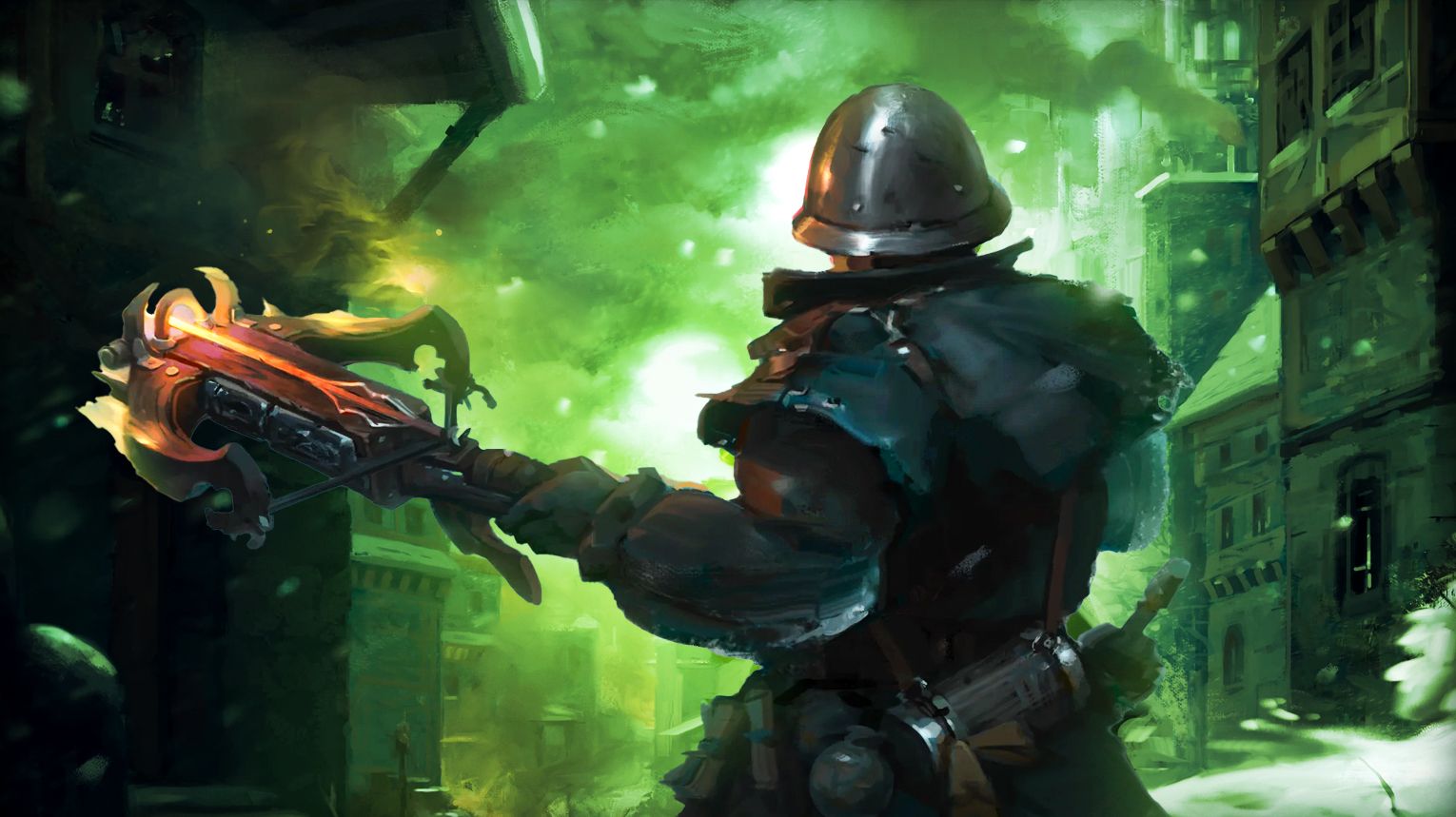
This is a Wyvern shapeshift Mercenary build built around keeping Flame Breath active as long as possible. The goal is to extend your “breath time” with efficiency and cost tools, instead of relying on Primal Hunger, because Primal Hunger lowers your damage by removing Rage bonuses and doesn’t fully help (you can’t gain Rage during Flame Breath anyway).
It’s a style-first build: strong and fun for burning down targets, but not a top-tier map blaster.
What makes it special
- Flame Breath feels unique: it plays like a wide, continuous burn beam that covers packs and melts single targets when you stand and channel.
- Gemling fixes shapeshift problems: you move faster while breathing and you can sustain it longer.
- Power Charges are simplified: Gemling helps keep Power Charges up so mapping doesn’t feel like constant setup.
Path of Building (POB): https://pobb.in/h_JoXFVXsglI
Why Gemling Legionnaire works here
Gemling brings three big advantages for Wyvern:
- Gem Studded
- 40% less movement speed penalty while using Flame Breath (big quality-of-life)
- 30% less cost, so you can channel longer
- Implanted Gems
- Flame Breath is not melee, not projectile, and not a spell, so it has fewer normal scaling routes.
- You mainly scale it with +levels to Attack Skills on weapon, and Gemling helps make up damage through gem-based scaling.
- Advanced Thaumaturgy
- Wyvern skills use Power Charges.
- This node can generate enough charges for mapping so you don’t have to constantly rely on setups like Profane Ritual triggers or Devour.
How to make it (core setup)
Main skill
- Flame Breath as your main damage tool.
Supporting tools you actively use
- Rend: used to refill Rage quickly (with Eternal Rage) and to prep buffs for boss damage.
- Devour: backup option when you don’t have Power Charges.
- Thunderstorm: apply shock for more damage.
- Elemental Weakness and Oil Barrage: extra boss damage when you need it.
Key gem note (Spirit trick)
- Put Savage Fury active only on your second weapon set. You still get the effect, but it doesn’t reserve Spirit on your main set.
Supports (practical guidance)
Flame Breath only has 5 support slots, so you pick what you need most:
- If damage feels low: skip Mobility.
- If damage is fine and you want smoother play: Mobility helps you move faster while breathing.
- If your main goal is longer channel time: use Efficiency II instead of Mobility or Rapid Attacks II.
Gear and stat priorities (simple)
Defensive baseline (important because the build can feel squishy)
- High Armour
- High Life
- Resistances
- Strength (also helps gearing requirements and survivability feel)
A strong armour rule for this build:
- Try to get at least one mod line of “% of Armour applies to Elemental Damage”.
Slot-by-slot priorities
Helmet
- Before you have Constricting Command: stack survivability (Armour, Life, Resists, Strength).
Body Armour
- The Brass Dome is a high value option (buffed in 0.4) because it gives huge armour that is hard to match on a rare.
- Replace later only when you can beat it with a rare that has both high armour and life.
Gloves
- Don’t chase flat damage early. This build needs tankiness first.
- Look for Armour, Life, and Resists. Attack speed is a luxury.
Boots
- Movement speed + survivability (Armour/Life/Resists).
Amulet
- Rare amulet with Spirit + life + resists.
- Target 130+ Spirit total.
Rings
- Life, Strength, Resists (flat damage only if you’re already tanky).
- Second ring: Polcirkeln is strongly recommended because Flame Breath hits quickly for small numbers, making freeze hard to apply normally. Polcirkeln enables freezing so Herald of Ice can actually proc for clear.
Belt
- Rare belt with survivability, or Headhunter as a luxury option.
Jewels
- Controlled Metamorphosis (Small–Medium ring).
- Heart of the Well is optional; if you use it, prioritize % Life on Kill plus a line like gain extra Fire or Lightning damage.
- Budget alternative: rare jewel with
- 2% Life on Kill
- % increased damage while shapeshifted
- % increased elemental damage
Leveling (how to get into the build)
- Level with any comfortable Mercenary setup until shapeshift/Flame Breath is online and feels good.
- While leveling, prioritize life + resists + armour on gear. This build scales better later, but it can feel fragile if you gear only for damage.
- Transition into Wyvern Flame Breath once you can support the channel time (Spirit, Efficiency tools, and your early charge generation setup).
Endgame transition (what you improve)
In early endgame, focus on:
From there, look to swap into The Brass Dome when you can (or just move into a really solid rare chest later on).
For jewels, Controlled Metamorphosis is the first big pickup, and Heart of the Well is a great follow-up if it’s in budget.
Finally, tweak your Flame Breath links based on how the build feels: run Mobility if you want smoother movement/uptime, or Efficiency II if you’re leaning on damage and want it to hit harder.
Who this build is for
Best fit if you want:
- The Wyvern shapeshift playstyle
- Strong single-target channel damage
- A smoother feel thanks to less movement penalty while attacking
- Something a bit off-meta, even if it means slower maps
Probably not for you if you want:
- The fastest Mercenary mapper
- A low-gear, super-tanky starter with no early endgame pain points
Conclusion
Mercenary can be one of the strongest and most enjoyable ranged classes in Path of Exile 2 if you build it the right way. The key is to smooth out early reload downtime with grenades, then scale one clear damage plan with the right passives, support gems, and a strong crossbow. For the endgame, focus on three basics: fast clear, a repeatable boss rotation, and layered defenses with capped resistances. Pick a build style that matches how you like to play, because crossbow, grenade, and hybrid setups all feel different. If you keep upgrading your weapon and don’t skip defenses, Mercenary stays fast, safe, and reliable from leveling into endgame.
